


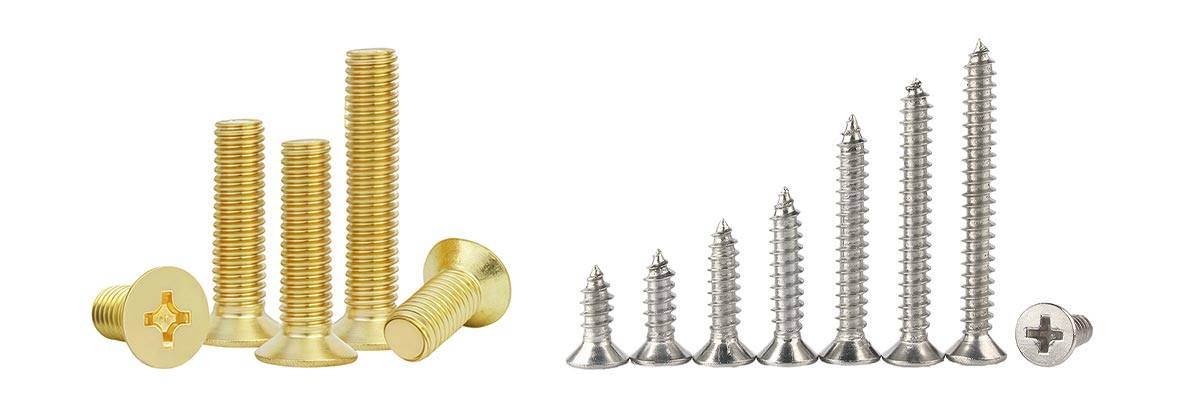
AVI inspection helps manufacturers identify defects and maintain high standards in automotive fastener inspection. This process uses advanced AVI machine with machine vision to check each fastener for flaws that could affect performance or safety. Careful inspection ensures that every automotive component meets strict requirements before reaching consumers.
Key Takeaways
- AVI inspection uses advanced technology to ensure every automotive fastener is thoroughly checked for defects, enhancing safety and quality.
- Selecting the right fasteners and maintaining a clean workspace are crucial for effective AVI inspection and consistent results.
- Regular calibration and maintenance of the AVI machine are essential to ensure accurate detection of defects and prevent errors.
- Documenting inspection results helps manufacturers track quality trends and comply with industry standards, supporting overall safety.
- Implementing best practices, such as staff training and data-driven improvements, can significantly reduce defects and enhance manufacturing quality.
AVI Inspection Overview
What Is AVI Inspection?
AVI inspection uses advanced technology to ensure quality fasteners in the automotive industry. An AVI machine combines cameras, lighting, and artificial intelligence to examine each fastener for defects. The process supports 100% inspection, which means every fastener receives a thorough check before it enters the production line. The system captures images, analyzes them for flaws, and sorts out defective parts. This approach improves traceability and reduces safety concerns in vehicle assembly.
| Component/Step | Description |
|---|---|
| Feeding system | Spreads items evenly and moves them at a constant speed for optical capture. |
| Optical system | Includes lighting and a sensor to capture images for analysis. |
| Separation system | Removes defective items and categorizes products based on quality. |
| Image Acquisition | Cameras capture images or video under optimized lighting. |
| Preprocessing | Involves denoising, normalization, sharpening, and perspective correction. |
| AI/CV Analysis | Detects anomalies, surface defects, dimensional deviations, and foreign objects. |
| Classification & Decisioning | AI assigns defect types and makes pass/fail decisions quickly. |
| Real-Time Integration | Triggers actions like part ejection and process adjustments based on results. |
| Logging & Feedback | Stores results for model training and continuous improvement. |
Why AVI Matters for Fastener Quality?
Quality fasteners play a critical role in automotive safety. Even a single defective fastener can cause product failure, leading to recalls or damage to a brand’s reputation. Manual inspection often fails to catch every flaw, as it is slow and prone to human error. AVI inspection provides consistent, reliable results and helps manufacturers meet strict manufacturing quality standards. The system detects surface defects, dimensional deviations, and assembly errors, which ensures only quality fasteners reach the vehicle assembly line.
| Feature | Automated Visual Inspection (AVI) | Traditional Manual Inspection |
|---|---|---|
| Accuracy | High | Variable |
| Speed | Fast | Slow |
| Reliability | Consistent | Inconsistent |
| Human Error | Reduced | High |
Key Benefits of AVI Machine
An AVI machine offers several advantages for automotive fastener inspection:
- Delivers rapid, high-accuracy inspection for every fastener.
- Reduces the risk of safety concerns by catching defects early.
- Supports traceability by logging inspection data for each part.
- Improves manufacturing quality by identifying recurring defects and enabling process adjustments.
- Minimizes bottlenecks that traditional testing methods create in manufacturing.
Note: AVI machine not only detects defects but also help prevent them by analyzing inspection data and improving upstream processes. This proactive approach supports the production of quality fasteners and enhances overall safety in the automotive industry.
Preparation for Inspection
Fastener Selection
Selecting the right fasteners is the first step in ensuring quality fasteners for the automotive industry. Inspectors should choose samples that represent the full range of bolts and nuts used in vehicle assembly. Fasteners often show high texture clustering and limited feature variation. Color, shape, and pattern similarity play a key role in how well the AVI machine can detect defects. By focusing on these characteristics, inspectors can improve the accuracy of the inspection and maintain high quality standards. This careful selection helps prevent defective fasteners from reaching the manufacturing line and supports overall safety.
AVI Machine and Workspace Setup
A well-organized workspace supports efficient inspection and consistent results. The AVI machine should be placed on a stable surface in a clean, dust-free environment. Proper lighting and camera alignment are essential for capturing clear images of each fastener. Operators must calibrate the AVI machine before every inspection session to ensure accurate detection of defects. Regular maintenance and calibration help maintain the quality of inspection and reduce the risk of errors. A tidy workspace also prevents contamination of quality fasteners and supports safety in the automotive industry.
Tip: Always check the calibration settings of the AVI machine before starting a new batch. This step ensures the system meets the required standards for quality and safety.
Standards and Specifications
Inspectors must follow strict standards when performing AVI inspection on fasteners. The Fasteners Quality Act and other industry guidelines set clear requirements for dimensional tolerances and material properties. These standards help guarantee that every fastener meets the demands of vehicle safety and performance. Quality fasteners must pass all inspection criteria before entering the manufacturing process. By adhering to these standards, manufacturers can reduce the risk of recalls and maintain a strong reputation for quality in the automotive industry.
Inspection Criteria and System Setup
Surface Defect Detection
Surface defects can compromise the performance of quality fasteners in automotive applications. The AVI machine uses high-resolution cameras and advanced lighting to capture detailed images of each fastener. Machine vision algorithms analyze these images to identify scratches, dents, cracks, and other imperfections. Operators set sensitivity levels based on standards for bolts, nuts, and screws. The system flags any fastener with a visible defect for removal. This process ensures that only quality fasteners move forward in the manufacturing process.
Tip: Regularly update the machine vision software to improve detection accuracy and adapt to new defect types.
Dimensional Checks
Dimensional accuracy is essential for fastener fit and function. The AVI machine measures length, diameter, thread pitch, and head size for each fastener. Machine vision tools compare these measurements to engineering standards. The system checks both bolts and nuts to confirm they meet strict tolerances. Any fastener outside the specified range is rejected. This comprehensive inspection helps maintain quality and reduces the risk of assembly issues in automotive manufacturing.
- The AVI machine can measure:
- Overall length
- Shank diameter
- Thread pitch
- Head diameter and height
Dimensional checks support the production of quality fasteners that fit perfectly in their intended applications.
Thread and Coating Inspection
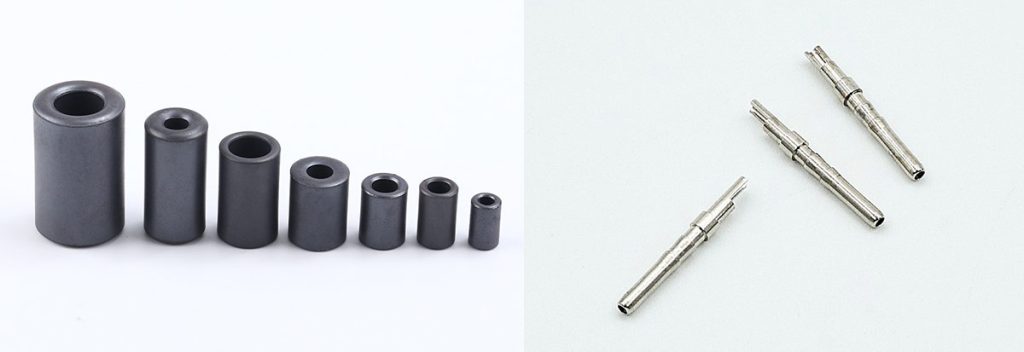
Thread integrity and coating uniformity are critical for fastener performance and corrosion resistance. The AVI machine evaluates thread form, pitch, and depth using specialized cameras and software. It detects missing threads, deformation, or contamination that could affect assembly or strength. For coating inspection, the system verifies that the type of plating matches engineering requirements and that coverage is uniform.
| Inspection Aspect | Description |
|---|---|
| Process Setup | Verify the type of plating or coating matches engineering requirements. |
| Bath Monitoring | Ensure plating baths are sampled and tested regularly for chemical balance. |
| Thickness & Quality Checks | Confirm plating thickness is measured and meets specifications, ensuring uniform coverage. |
| Salt Spray/Corrosion Testing | Verify that corrosion test results meet customer requirements and follow standard methods. |
| Environmental & Safety Controls | Ensure compliance with safety protocols for chemical handling and disposal. |
| Passivation & Sealing | Check that post-treatments are applied correctly and parts are moisture-free before packaging. |
| Subcontracted Plating | Confirm that outside platers are audited and provide necessary certification for their work. |
The AVI machine supports these checks by capturing detailed images and analyzing them for coating consistency. This process ensures that every nut, bolt, and screw meets corrosion resistance standards and delivers reliable performance.
Non-Destructive Testing Methods
Non-destructive testing (NDT) methods allow inspectors to assess fastener integrity without causing damage. The AVI machine can integrate with NDT tools such as eddy current sensors or ultrasonic devices. These systems detect internal cracks, voids, or material inconsistencies that AVI inspection might miss. NDT methods complement surface and dimensional checks, providing a comprehensive inspection for quality fasteners. Automotive manufacturers rely on these tests to ensure safety and durability in every fastener.
Note: Combining visual and non-destructive tests increases confidence in fastener quality and reduces the risk of hidden failures.
Camera, Lighting and Software Setup
Proper system setup is vital for accurate inspection results. Operators position cameras to capture all critical surfaces of each fastener. Adjustable lighting eliminates shadows and highlights surface features. The AVI machine uses software to process images, apply measurement algorithms, and classify defects. Calibration routines ensure that the system maintains accuracy over time. Operators configure the software to match the specific requirements of each fastener type, including nuts, bolts, and screws.
- Key setup steps include:
- Align cameras for full coverage.
- Adjust lighting for optimal contrast.
- Calibrate measurement tools to engineering standards.
- Update software with the latest defect libraries.
A well-configured AVI machine delivers reliable, repeatable results and supports the production of quality fasteners that meet automotive industry standards.
AVI Inspection Process
Running the AVI Machine
Operators begin the AVI inspection by preparing the AVI machine for operation. They load bolts, nuts, and other fasteners into the feeding system. The machine separates each item and moves it under high-resolution cameras. Proper alignment ensures that the cameras capture every angle of the fastener. The AVI machine uses advanced lighting to highlight surface features and reveal any defect.
Operators select the correct inspection program based on the type of bolts or nuts. The system checks for dimensional accuracy, thread integrity, and coating consistency. The AVI machine uses artificial intelligence to compare each fastener against quality standards. It measures length, diameter, and thread pitch with precision. The machine also inspects for surface defects and verifies that coatings meet automotive requirements.
During operation, the AVI machine sorts fasteners into pass or fail bins. Quality fasteners continue to the next stage of production. Defective bolts or nuts are removed for further review. The AVI inspection process provides consistent quality by checking every fastener in real time.
Tip: Operators should monitor the AVI machine during operation to ensure smooth feeding and accurate inspection. Regular checks help maintain consistent quality and prevent jams.
Interpreting Results
After the AVI machine completes its inspection, operators review the results on the system interface. The software displays detailed data for each fastener, including measurements and defect images. Operators can see which bolts passed or failed and why. The system highlights any deviations from quality standards.
A summary table often shows the number of quality fasteners, defective bolts, and types of defects detected. Operators use this information to identify trends and recurring issues. For example:
| Result Type | Description | Action Taken |
|---|---|---|
| Pass | Fastener meets all quality criteria | Sent to production |
| Fail – Dimensional | Length or diameter out of tolerance | Removed for review |
| Fail – Surface | Visible scratch, dent, or crack | Removed for review |
| Fail – Thread/Coating | Thread or coating issue detected | Removed for review |
Operators can export inspection data for documentation and quality control. The AVI machine helps ensure that only quality fasteners, such as bolts and nuts, reach the assembly line. This step supports consistent quality in automotive fastener inspection.
Handling Common Issues
Operators may encounter several challenges during AVI inspection. Addressing these issues quickly helps maintain comprehensive inspection and consistent quality. The most common problems and their solutions include:
- Dimensional accuracy problems: Bent bolts or imperfect threads can jam assembly equipment. The AVI machine uses laser measurement technology to inspect multiple points on each fastener and detect these issues.
- Material integrity concerns: Variations in heat treatment can cause under-hardened or over-hardened bolts. Differential coil technology verifies heat treatment by capturing a magnetic signature for each fastener.
- Surface perfection issues: Surface defects, such as scratches or dents, can affect performance and assembly. The AVI machine detects these problems using advanced imaging and lighting systems.
Operators should also watch for machine calibration errors, misaligned cameras, or inconsistent lighting. Regular maintenance and calibration of the AVI machine help prevent these issues. When a problem occurs, operators should pause the inspection, adjust the settings, and run a test batch to confirm the fix.
Note: Quick identification and resolution of common issues ensure that the AVI inspection delivers reliable results and supports the production of quality fasteners for the automotive industry.
Post-Inspection Quality Actions
Sorting and Handling Defects
After inspection, operators sort fasteners based on the results. They separate items that pass from those with a defect. Defect identification relies on the AVI machine’s data and visual confirmation. Operators place approved fasteners in bins for shipment or further processing. They move rejected items to a designated area for review. This step prevents defective parts from entering the automotive supply chain. Proper sorting supports consistent quality and upholds safety in vehicle assembly.
Reporting and Documentation
Operators document inspection outcomes for each batch. They record the number of fasteners tested, the types of defects found, and the results of any additional tests. Detailed records help manufacturers track trends and verify compliance with industry standards. Reports often include images of defects and data from corrosion or dimensional tests. Accurate documentation supports traceability and helps companies respond quickly to customer inquiries or audits.
Tip: Digital records make it easier to share inspection data with quality teams and customers.
Corrective Measures and Best Practices
When operators find recurring defects, they recommend corrective actions. They may adjust machine settings, retrain staff, or review supplier quality. Teams use inspection data to improve processes and prevent future issues. Best practices include regular calibration of equipment, routine training, and strict adherence to standards. These actions help maintain consistent quality and protect the reputation of automotive manufacturers.
| Best Practice | Benefit |
|---|---|
| Regular calibration | Ensures accurate inspection |
| Staff training | Reduces human error |
| Standards compliance | Meets industry requirements |
| Data-driven improvements | Prevents repeat defects |
A strong focus on post-inspection actions ensures that every fastener meets safety and performance expectations.
Conclusion
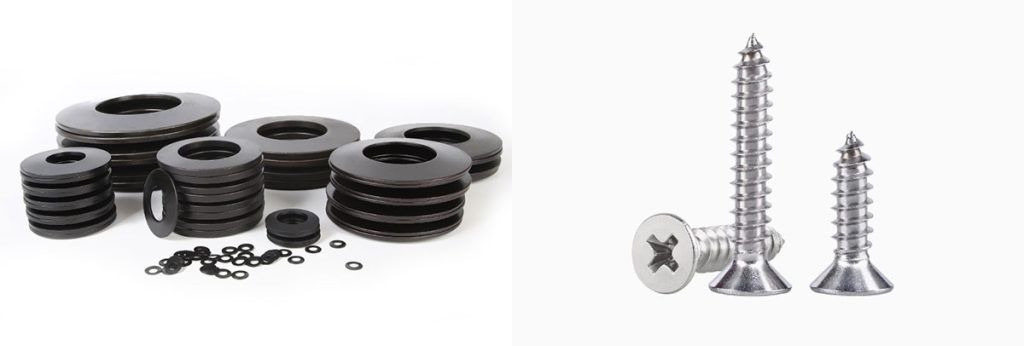
Performing AVI inspection for automotive fasteners involves several key steps. Operators prepare the workspace and select fasteners. They set up the AVI machine and follow industry standards. The inspection process checks for defects, measures dimensions, and verifies coatings. AVI machine helps maintain consistent quality in the automotive industry. Teams should review results, document findings, and improve processes for better safety and compliance.
FAQ
What Types of Defects Can AVI Machine Detect?
AVI machine can detect surface scratches, dents, cracks, missing threads, and coating inconsistencies. They also identify dimensional errors. Operators rely on these machines to find defects that affect fastener safety and performance.
How Often Should Operators Calibrate the AVI Machine?
Operators should calibrate the AVI machine before each inspection session. Regular calibration ensures accurate results. Many manufacturers also schedule monthly maintenance checks for optimal performance.
Can AVI Inspection Replace Manual Inspection Completely?
Automatic visual inspection system provides faster and more consistent results than manual checks. However, some manufacturers still use manual inspection for complex or unusual defects. AVI works best as part of a comprehensive quality program.
Why Is Documentation Important After AVI Inspection?
Documentation helps manufacturers track trends and prove compliance with industry standards. Digital records make it easy to share results with quality teams and customers. Accurate documentation supports traceability and quick problem-solving.