

What is AOI Machine?
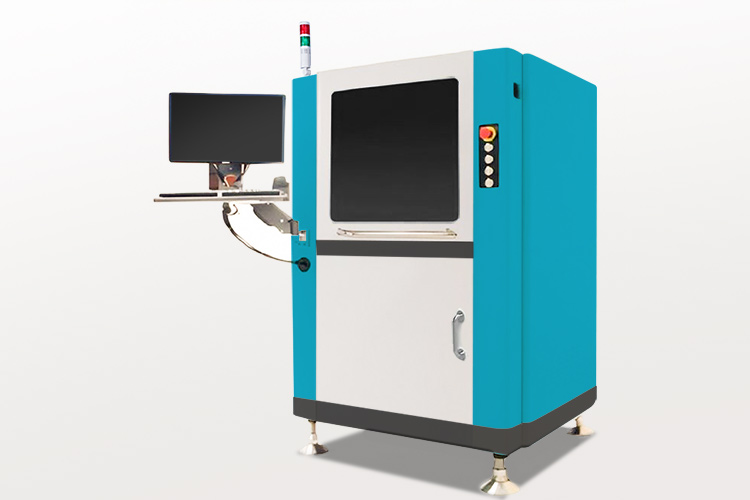
AOI machine, also known as automated optical inspection machine, is a machine that mainly relies on optical imaging and intelligent image processing technology to conduct rapid and accurate inspection of product surfaces and welding quality. In modern electronic manufacturing, as circuit board designs become increasingly complex, traditional manual visual inspection can no longer meet the demands of efficiency and accuracy. Therefore, AOI machine has become an important machine for ensuring product quality and improving production line efficiency. Compared with traditional manual inspection, automated optical inspection machine has the advantages of high speed, good repeatability and high precision. It can not only significantly reduce human errors, but also achieve stable operation for 24 hours, greatly improving the yield and consistency of the production line.
In practical applications, automatic optical inspection machine is widely used in multiple industries such as PCB manufacturing, SMT assembly, semiconductor packaging, automotive electronics, medical devices and electronics industry. With the introduction of artificial intelligence and deep learning technologies, the new generation of AOI machine can not only identify more complex defect patterns, but also optimize algorithms and predict defects based on historical detection data, making detection more intelligent and adaptive. It can be said that AOI machine is not merely a testing machine. It is an important support for modern manufacturing factories to achieve the goals of high-quality production and efficiency improvement. As the global electronics manufacturing industry’s demands for precision and reliability continue to rise, the market demand for automated optical inspection machine will keep growing and play a more crucial role in the future wave of automation.
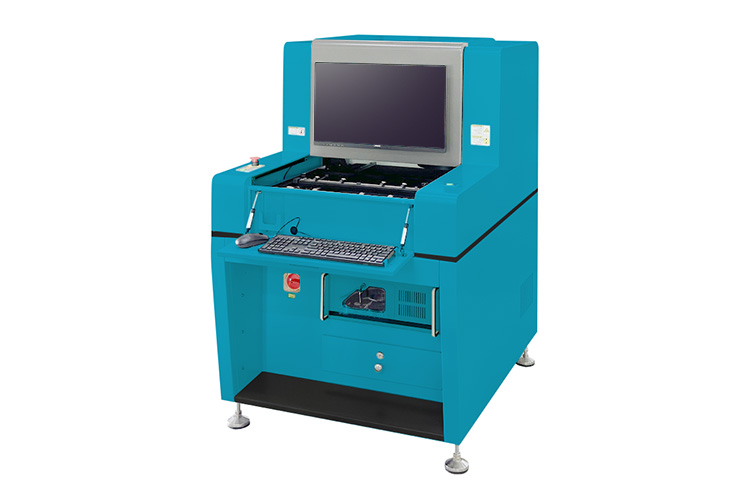
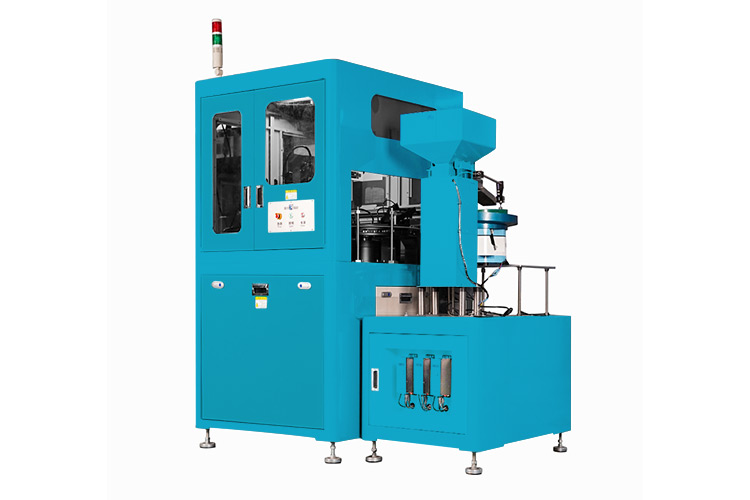
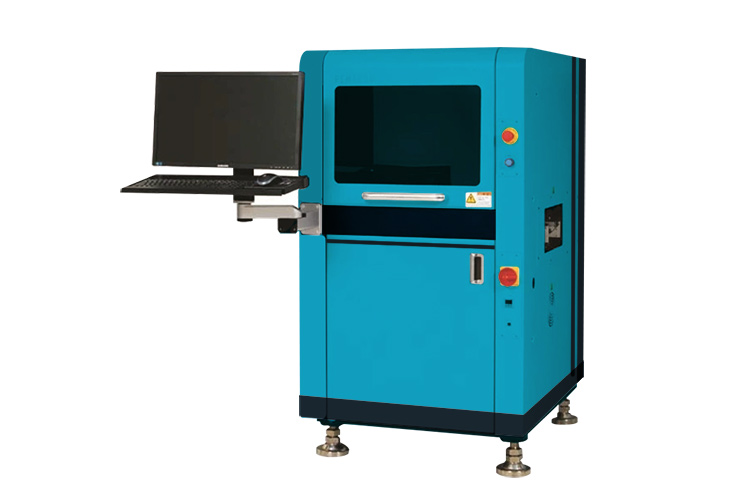
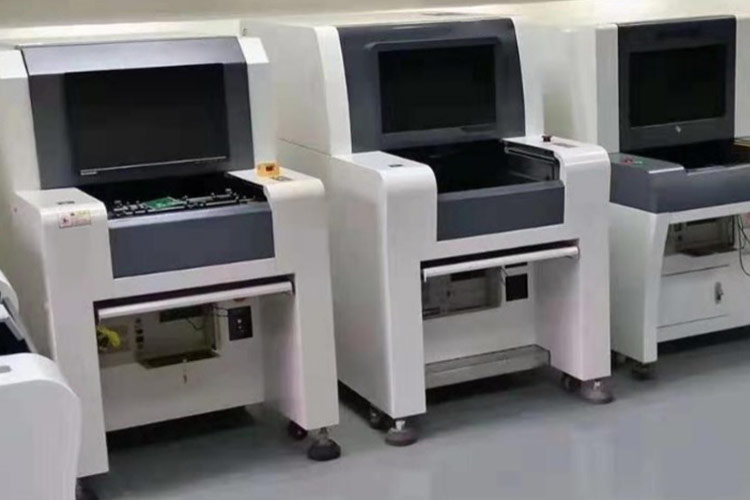
AOI Machine Overview
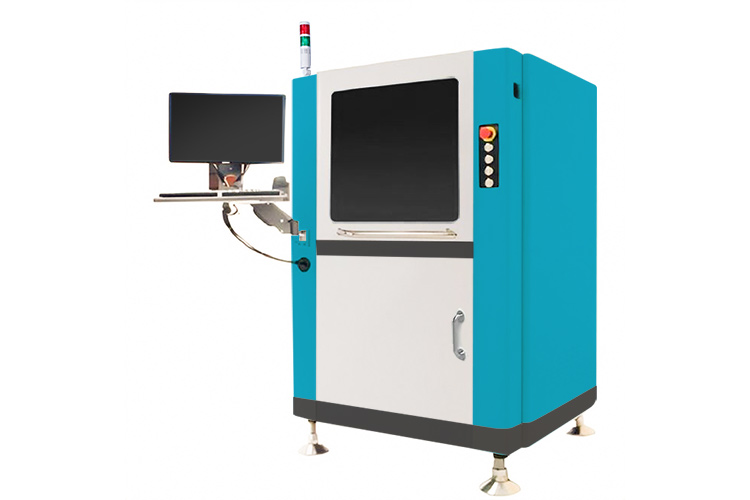
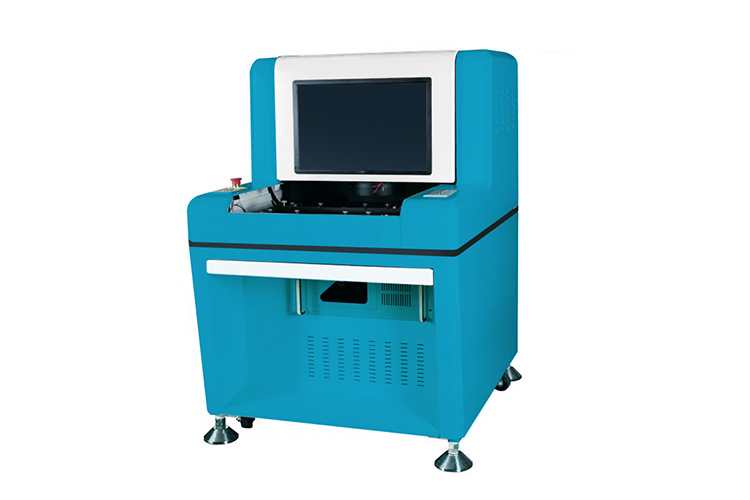
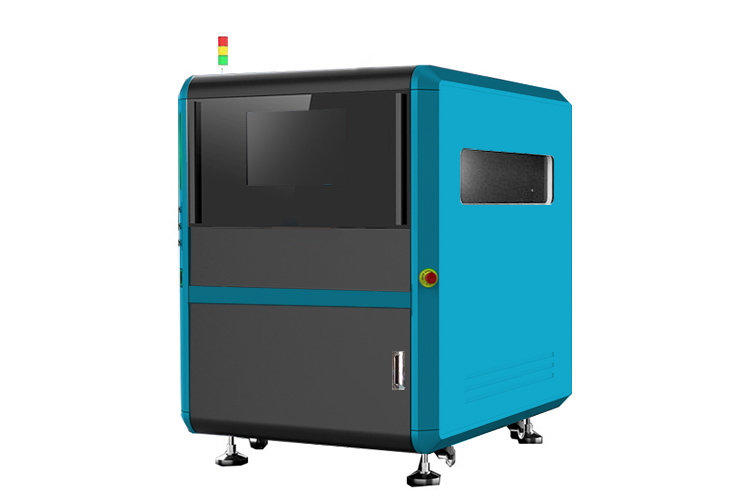
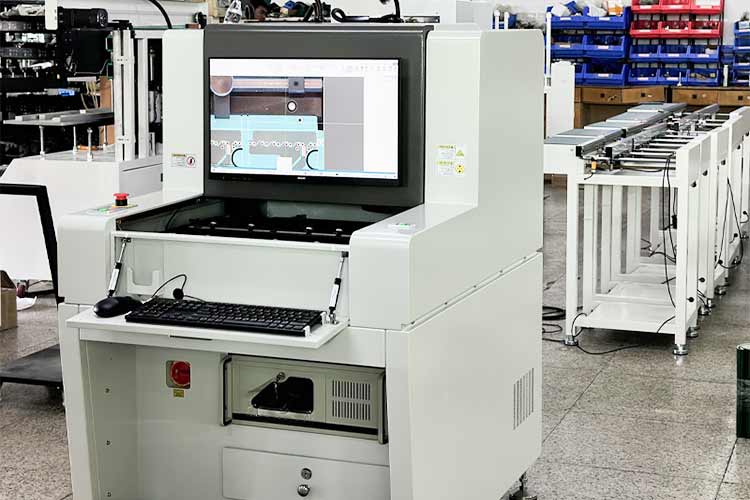
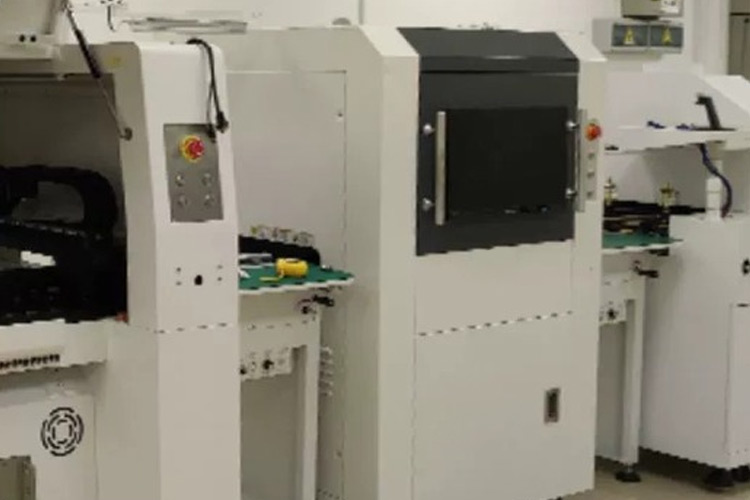
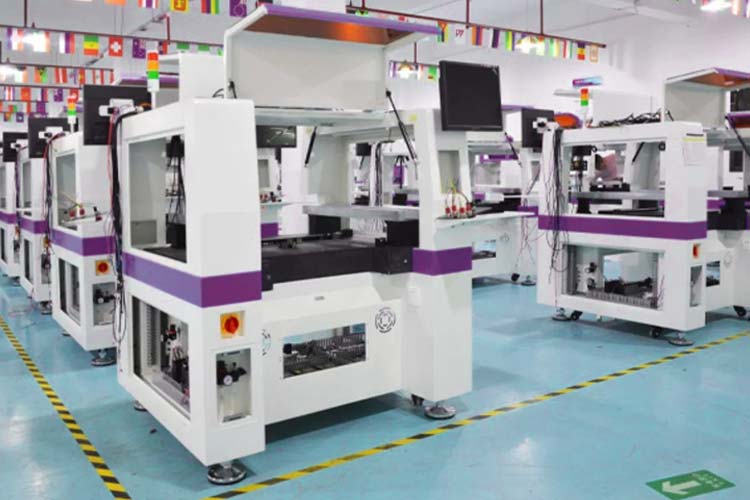
AOI Machine Installation Cases
Working Principle of AOI Machine
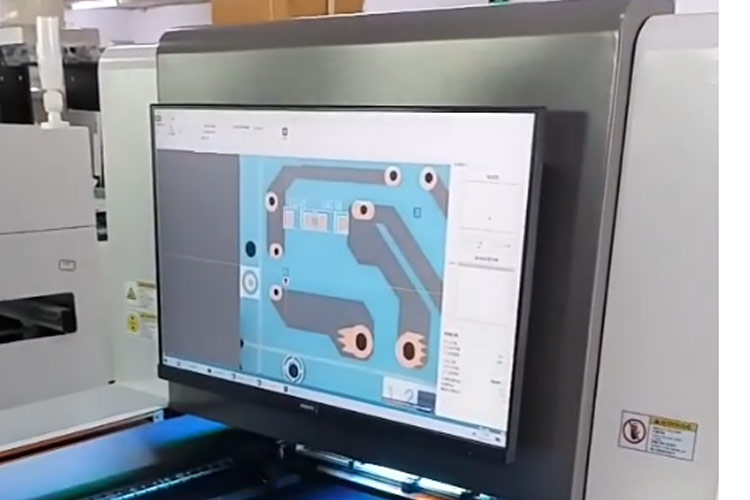
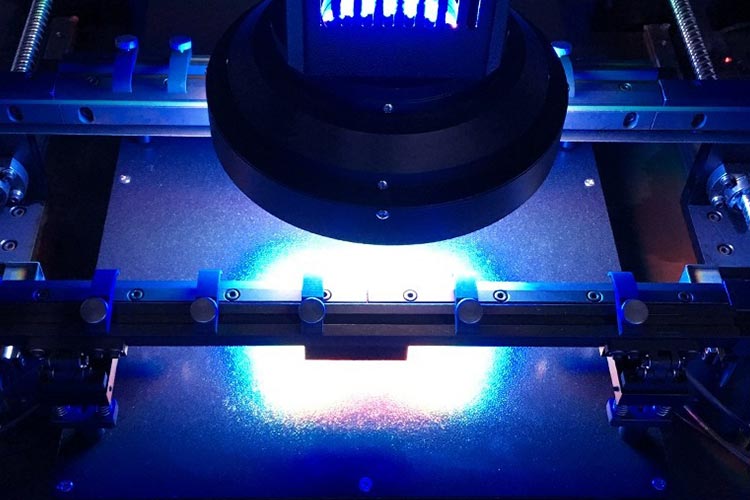
AOI Machine takes real-time pictures of the object to inspect through high-resolution industrial cameras and provides uniform and stable lighting conditions with the help of a light source system. Subsequently, the collected images will undergo image preprocessing, including noise reduction, contrast enhancement and edge detection. After that, automated optical inspection machine uses image processing and comparison algorithms to compare the actual images with standard data. The software algorithm will compare the actual detection image with the preset standard sample, quickly identifying defects such as missing parts, wrong parts, solder connection problem. The entire process requires no human intervention and can achieve high-speed, stable and highly repeatable detection. At the same time, statistical reports are generated and can be integrated with the production management system for traceability and analysis, significantly enhancing production efficiency and product quality.
Four stages in the working procedure:
Image acquisition stage: Automatic optical inspection machine takes pictures of circuit boards or components through high-resolution industrial camera and precise light source system, capturing clear and stable images. It can ensure that the details of the defects are fully presented.
Data processing stage: AOI machine transmits the collected images to the processing software, where algorithms are used for preprocessing and edge recognition. Subsequently, the detection images will be compared with the standard samples.
Image analysis stage: AOI machine quantitatively expresses the unique attributes of features such as edges, corners contained in the image through programming using mathematical means. After image segmentation and comparison, the analysis and processing are completed.
Defect identification stage: Automatic optical inspection machine automatically identifies defect types based on the analysis results like missing parts, wrong parts, solder connection problem. Then the results will be output and data traceability will be supported.
Why Choose Our AOI Machine?
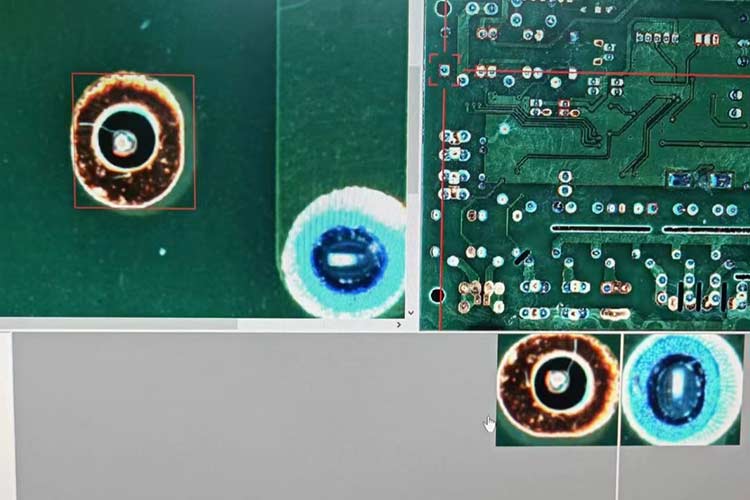
High-precision detection:
Through high-resolution optical imaging system and advanced algorithm, it can identify defects at the micrometer level, significantly enhancing the consistency and reliability of product inspection.
Through high-resolution optical imaging system and advanced algorithm, it can identify defects at the micrometer level, significantly enhancing the consistency and reliability of product inspection.
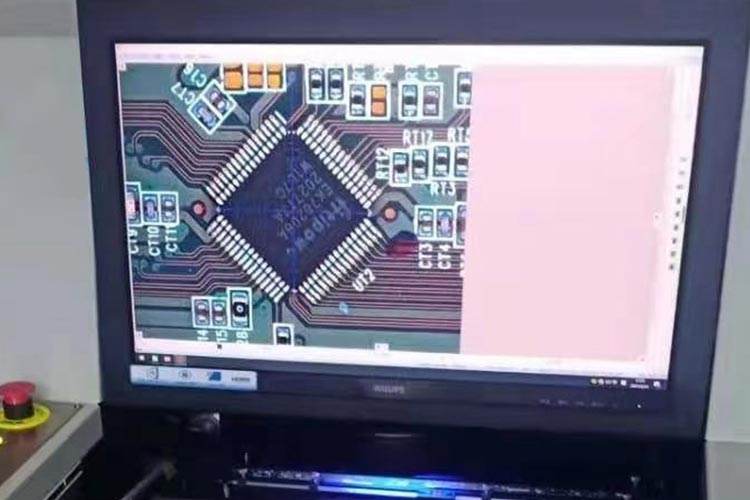
Fast processing:
AOI machine supports real-time detection, with processing speed reaching the millisecond level, meeting the demands of high-speed production line.
AOI machine supports real-time detection, with processing speed reaching the millisecond level, meeting the demands of high-speed production line.
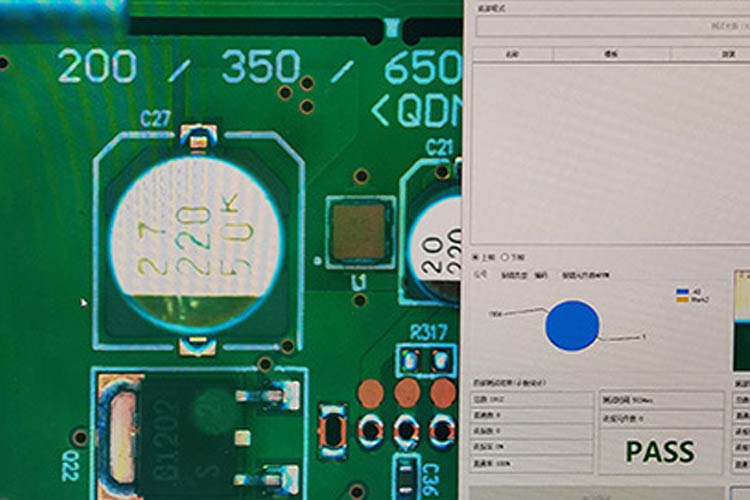
Self-learning ability:
Algorithms based on deep learning can continuously optimize the detection model to meet the detection requirements of different products.
Algorithms based on deep learning can continuously optimize the detection model to meet the detection requirements of different products.
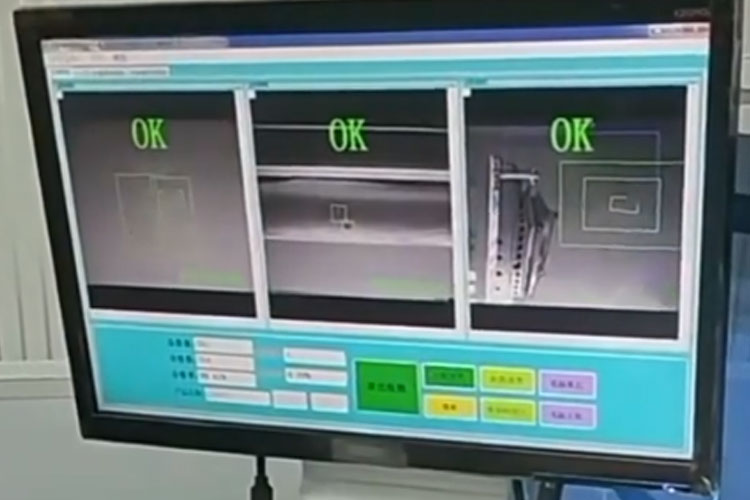
Multi-functional integration:
AOI machine can simultaneously complete multiple tasks such as defect detection, silk-screen inspection, and polarity verification. It can not only saves production line space, but also improves operational efficiency.
AOI machine can simultaneously complete multiple tasks such as defect detection, silk-screen inspection, and polarity verification. It can not only saves production line space, but also improves operational efficiency.
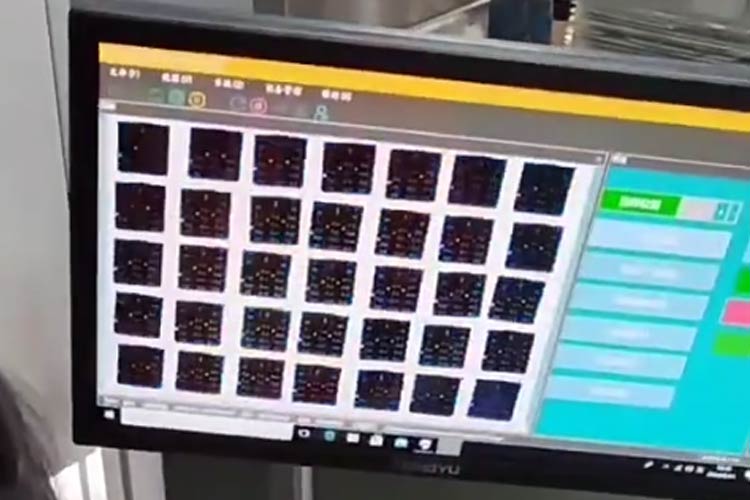
High detection efficiency:
Automatic optical inspection machine can complete the inspection of a large number of products in a short time. It can save human resources and significantly improve the production rhythm and product yield.
Automatic optical inspection machine can complete the inspection of a large number of products in a short time. It can save human resources and significantly improve the production rhythm and product yield.
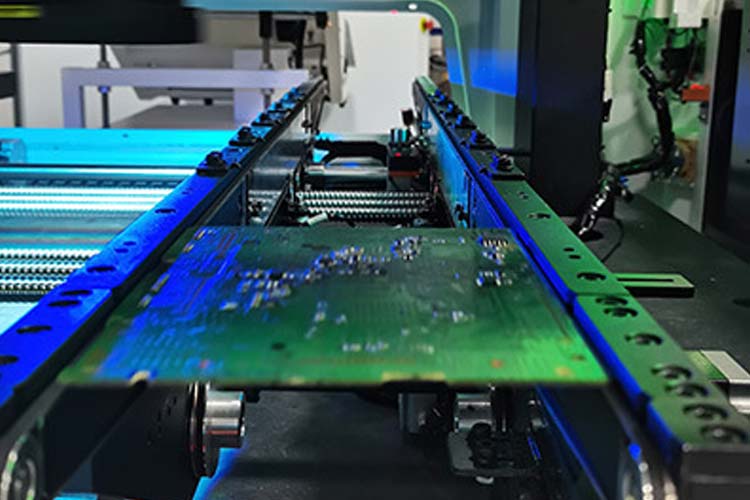
Non-contact inspection:
Automated optical inspection machine does not require direct contact with the object being inspected, avoiding the risk of damage caused by contact. It is particularly suitable for the inspection of precision components with extremely high surface accuracy requirements.
Automated optical inspection machine does not require direct contact with the object being inspected, avoiding the risk of damage caused by contact. It is particularly suitable for the inspection of precision components with extremely high surface accuracy requirements.
Applications of AOI Machine
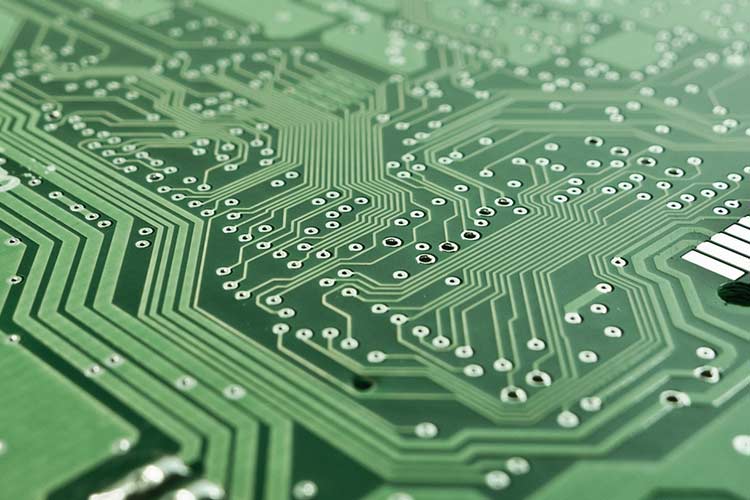
PCB industry
Detect solder joints, circuits and integrate with SMT production line, X-ray inspection machine and other equipment to achieve comprehensive quality control.
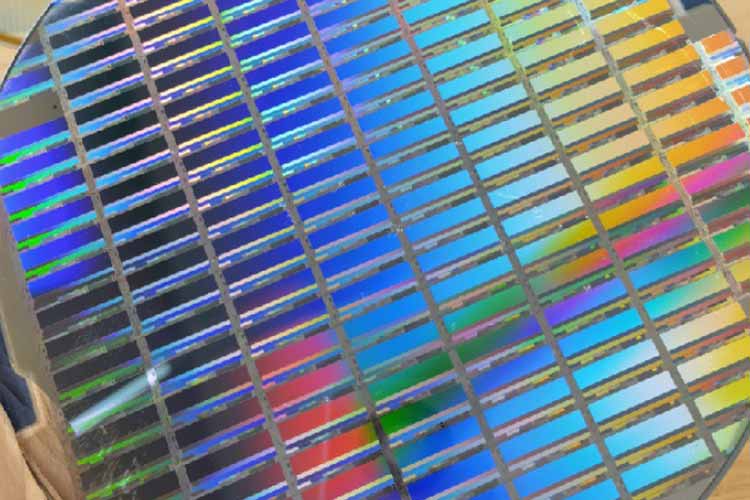
Semiconductor industry
Detect the surface of wafers and integrate with wafer cutting machine and packaging equipment to ensure the yield of products.
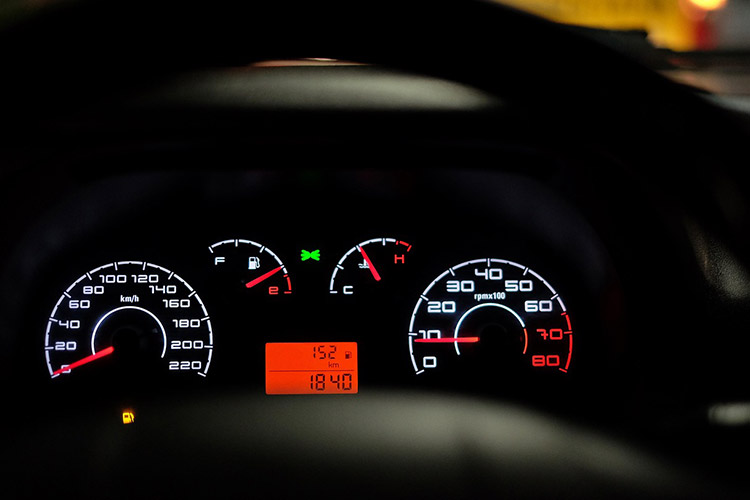
Automotive electronics industry
Detect the welding quality and appearance defects of the electronic control unit (ECU), integrate it with functional testers, robotic arms to form an automated inspection system.
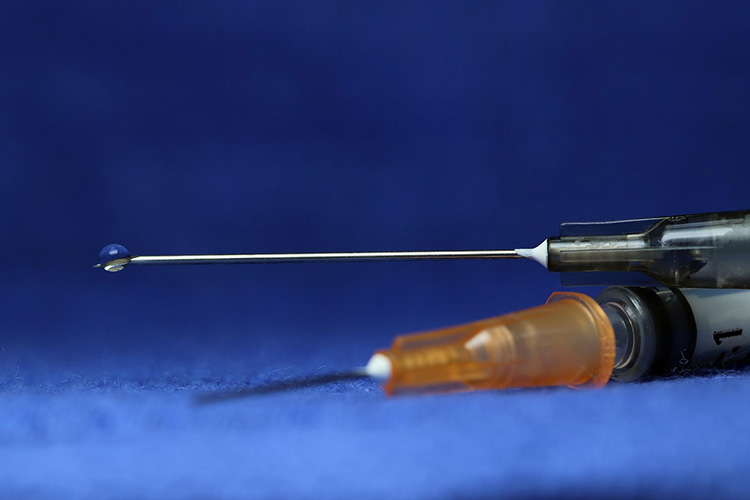
Medical device industry
Detect surface defects of micro-tubes, needles, syringes, integrate with visual inspection system and robot loading and unloading equipment to form an automated quality control process.

Consumer electronics industry
Detect the assembly quality of mobile phones, laptops and home appliance control boards, integrate with online testers to ensure the consistency and reliability of high-density circuits.

Aerospace electronics industry
Detect the minor defects of high-density connectors and microelectronic components, collaborate with 3D measuring instruments to form a high-precision automated inspection solution.
How to Maintain AOI Machine?
Optical system: Regularly clean the lens and light source to prevent dust and flux residues from affecting the imaging quality.
Mechanical components: Inspect moving parts such as conveyor belts and guide rails. Add lubrication if necessary to prevent wear.
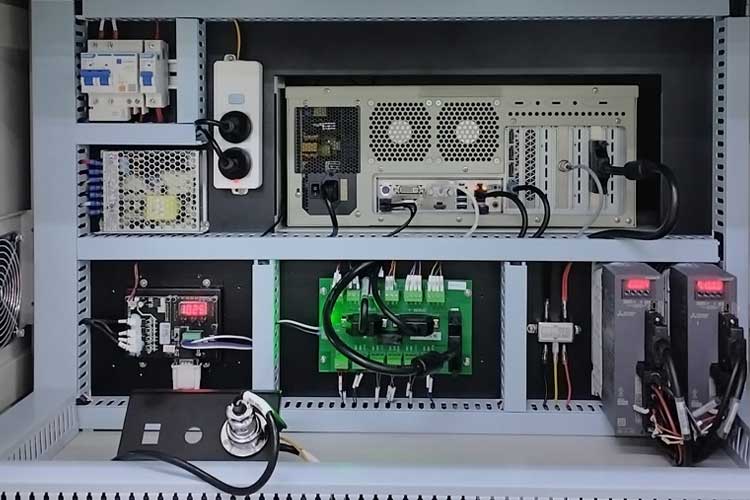
Electrical system: Ensure that the cables and joints are securely fastened to prevent loosening or aging and guarantee good grounding.
Software and calibration: Keep the software version updated and regularly calibrate the camera and optical system to ensure detection accuracy.
Operating environment: Maintain a constant temperature, humidity and dust-free environment and avoid vibration and strong light interference.
Records and training: Establish and maintain archives and provide training to operator to reduce mis-operation and potential malfunction.
Inquiry for AOI Machine
We would like to hear from you. Please send us a message by filling out the form below and we will get back with you shortly.